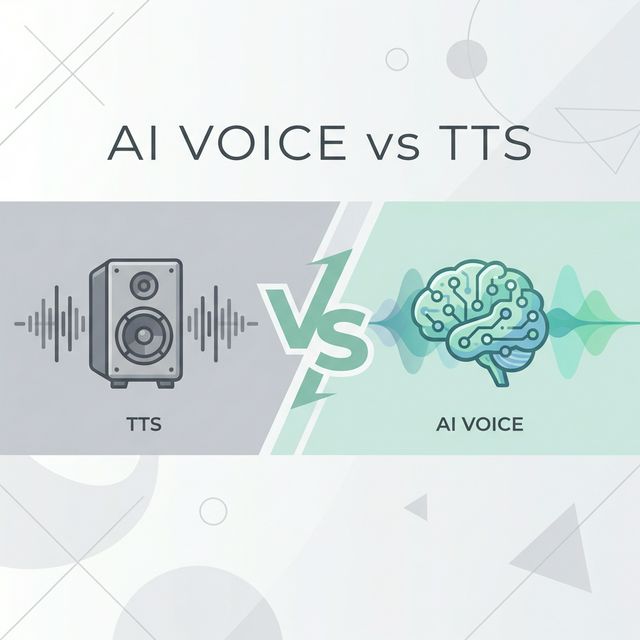
Text-to-speech has moved far beyond robotic voices. In 2025, synthetic speech is powering customer service, accessibility, entertainment, and creator tools with remarkable realism. Here are the breakthroughs shaping the next wave of AI voice technology—and how tts-free.online keeps you ahead of the curve.
1. Hyper-realistic prosody and emotional control
Leading research labs have released models capable of capturing sighs, laughter, and subtle breathing. Expect TTS engines to ship with ready-made styles like "empathetic support agent" or "energetic storyteller" so you can match the mood without manual tweaking.
What it means for you: Scripts that once demanded trained actors can now be generated in minutes. Our platform already supports SSML emphasis and rate controls, making it easy to ride this expressive wave.
2. Real-time conversational TTS
Customer-facing bots and virtual presenters need voices that respond instantly. Low-latency streaming TTS delivers speech within 100 milliseconds, enabling natural back-and-forth conversations.
What it means for you: Developers can prototype interactive demos with regular TTS audio, then graduate to streaming APIs as their products scale. tts-free.online helps you validate scripts and persona design before investing in infrastructure.
3. Personalized voice cloning with consent
Voice cloning is becoming safer thanks to consent-based workflows, watermarking, and voiceprint verification. Businesses can create brand voices while respecting the rights of the original talent.
What it means for you: Craft consistent sonic identities for product videos, IVR systems, and training modules. Even if you stick with our stock voices, you benefit from the same fidelity improvements driving the cloning space.
4. Multimodal accessibility
As regulations expand, organizations must offer synchronized text, audio, and visual aids. TTS is central to building inclusive experiences across websites, kiosks, and e-learning platforms.
What it means for you: Converting documentation into narrated walkthroughs is no longer optional. With tts-free.online, you can publish accessible audio guides without touching code.
5. SEO value of audio-first content
Search engines are indexing podcasts, audio articles, and voice-enabled FAQs. Brands that deliver spoken versions of their content see higher engagement and improved discoverability.
What it means for you: Pair every major blog post with a TTS-generated audio version. Offer downloadable voice notes for product updates, release notes, and newsletters to satisfy on-the-go audiences.
6. Pronunciation control gets more practical
The biggest quality gap in real-world TTS isn’t always the model—it’s pronunciation. In 2025, more workflows are built around repeatable pronunciation control: custom dictionaries, SSML, and structured scripts.
What it means for you: You can ship audio that sounds consistent across episodes, lessons, or product releases. If you’re new to SSML, start with simple tags: pauses, emphasis, and phoneme tweaks for names and brands.
7. Safety, disclosure, and watermarking become standard
Expect more platforms to require clear disclosure when audio is synthetic, plus watermarking or provenance signals to deter misuse. Consent-based voice cloning is also becoming a baseline expectation rather than a “nice-to-have.”
What it means for you: If you publish audio at scale, add a lightweight disclosure (e.g., “This audio was generated from text”) and keep records of voice permissions for any cloned voices.
8. Localization at scale needs QA, not just translation
Multi-language content is exploding—but the bottleneck is QA: mispronounced place names, awkward pacing, and inconsistent style. The winning teams create a repeatable review loop per locale (script → TTS → review → fix → publish).
What it means for you: Treat TTS localization like software release. Maintain a “known words” list, keep voice presets per locale, and re-run only the changed segments when updating content.
9. Choosing a TTS stack becomes an evaluation problem
As tools get “good enough,” selection depends on fit: latency, licensing, voice variety, and workflow ergonomics. For a detailed breakdown, check our Free TTS Tools Comparison. A quick evaluation checklist helps you avoid regret later.
Quick checklist:
- Does it handle your hardest words (names, acronyms, terminology)?
- Can you keep voice style consistent across content types?
- Are commercial usage and redistribution terms clear?
- Can you export audio (and in what formats)?
- Is the workflow fast enough for your publishing cadence?
Preparing for the future
- Audit your content library to find assets that could benefit from audio narration.
- Build a voice style guide so your team can maintain consistent tone across languages.
- Experiment with short-form audio teasers on social media to promote longer TTS content.
Put these trends into action
If you want a simple way to start applying these trends today:
- Pick one “evergreen” article and turn it into audio.
- Use a consistent voice preset and add a few SSML tweaks for pacing and emphasis.
- Publish the audio alongside the text, and link related pages to build a clear topic cluster.
Helpful resources:
AI voices will keep evolving, but you can start benefiting immediately. Explore tts-free.online to generate natural narration today and stay ready for the next wave of innovation.