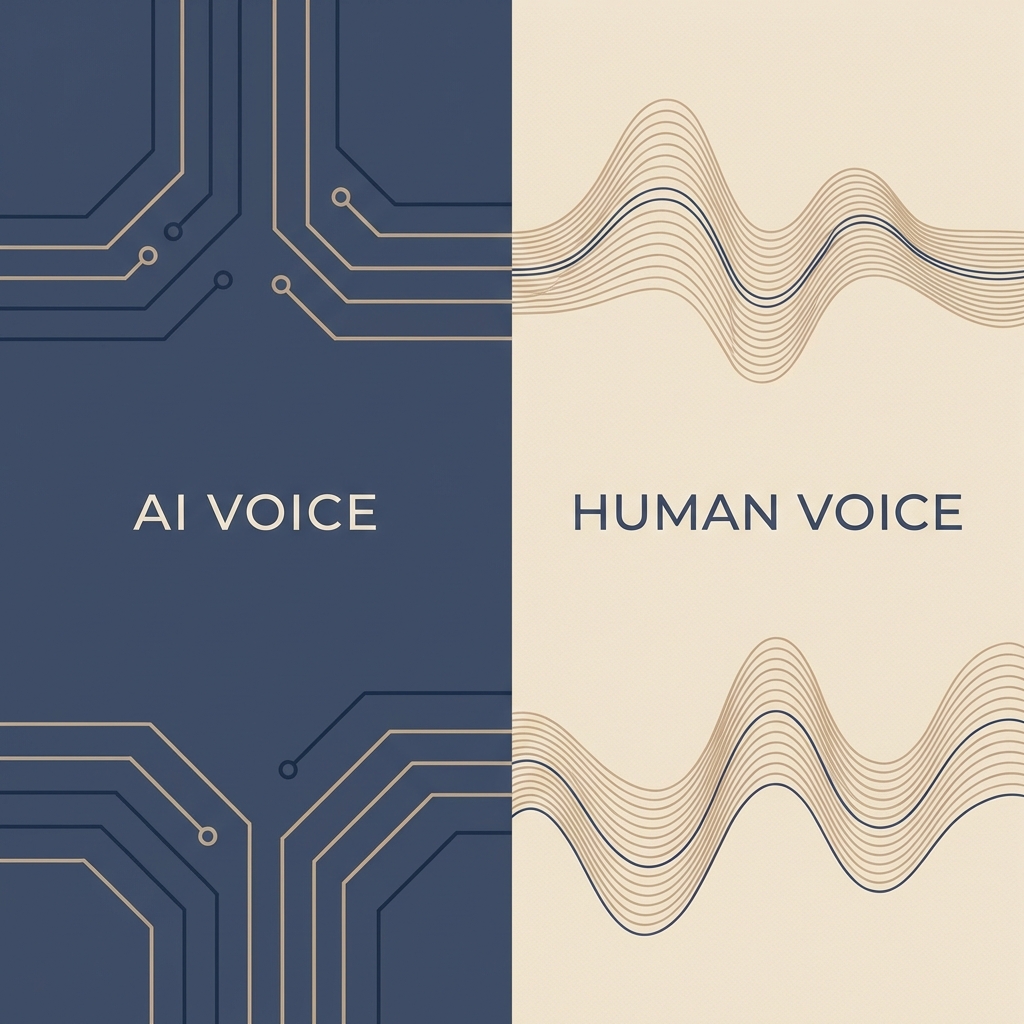
AI-generated voiceovers have become incredibly realistic, leading creators to ask whether they should still hire human narrators. The answer depends on your goals, budget, and timeline. In this guide we compare AI voiceovers with human voice artists, explore when each option shines, and share a hybrid strategy that lets you get the best of both worlds.
Cost and production speed
| Factor | AI Voiceover | Human Voice Actor |
|---|---|---|
| Upfront cost | Often free or a few dollars per project (try tts-free.online) | $100–$500+ per finished minute, depending on language and experience |
| Turnaround time | Instant generation | 2–7 days including brief, revisions, and studio time |
| Scalability | Generate dozens of versions at once | Requires scheduling multiple talent |
Takeaway: If you need fast results on a tight budget—such as daily social clips, product demos, or rapid localization—AI is unbeatable. Human actors still make sense for flagship campaigns with larger budgets.
Voice quality and emotion
Modern neural TTS voices sound natural, but there are differences:
- AI voiceovers excel at consistent tone, clear pronunciation, and multilingual delivery. You can tweak SSML tags to add pauses, emphasis, and pacing.
- Human narrators improvise micro-emotions and breathe life into scripts with subtle timing changes.
For most explainer videos, tutorials, and e-learning modules, AI audio is indistinguishable from human speech. For drama-heavy ads, documentaries, or characters that require improvisation, a seasoned actor still wins.
Creative control and revisions
With AI you can iterate endlessly:
- Edit your script and regenerate audio in seconds.
- Swap between different voices to match tone or demographic.
- Produce multi-language versions without hiring multiple actors.
When working with humans, revisions typically cost extra and may require rebooking the studio. You’ll get nuanced delivery, but at the expense of speed and flexibility.
A practical cost example
Here’s a simple way to estimate the difference for a typical explainer:
- Script length: ~1,000 words (about 6–8 minutes of spoken audio)
- Human voice talent: pricing commonly scales per finished minute, plus rounds of revisions
- AI voiceover: near-zero marginal cost per iteration, so you can revise the script as many times as needed
Takeaway: If your workflow involves frequent script changes (product updates, weekly content, localization), AI often saves more money on revisions than on the first recording.
Legal and licensing considerations
AI platforms usually provide royalty-free usage, especially when you export audio from tts-free.online. There are no likeness rights to manage and you can safely reuse the voice across channels.
Hiring voice talent involves contracts that outline usage, buyouts, and territories. If you skip this paperwork, you risk takedown requests or additional fees later on.
When AI is the better choice
AI voiceovers are usually the right call when:
- You need speed (same-day turnaround, rapid experimentation, A/B testing).
- You need scale (many versions, many languages, many formats).
- The content is information-first (tutorials, onboarding, product walkthroughs).
- You expect frequent updates (docs, policies, release notes).
If you’re new to script-to-audio workflows, start with: How to Use Our TTS Tool.
When humans are worth it
Human voice talent still shines when:
- The piece is emotion-first (brand film, dramatic storytelling, high-stakes ads).
- You need improvisation or highly specific comedic timing.
- Your brand depends on a signature performance that will run for a long time.
Hybrid strategies that work
Many teams combine both approaches:
- Prototype with AI, then record final dialogue with a human actor once stakeholders approve the script.
- Use AI for background narration (training videos, onboarding) and reserve human talent for hero segments (ads, trailers).
- Mix languages by keeping the primary language human-voiced while deploying AI for secondary markets.
A repeatable hybrid workflow
- Draft the script and generate a first-pass AI read to catch pacing issues.
- Edit for spoken language (shorter sentences, clearer transitions).
- Lock the script and decide: AI final, human final, or a blend by segment.
- For humans: share the AI timing as a reference, then record the hero version.
- For AI: apply SSML for emphasis/pronunciation and keep one voice preset for consistency.
Decision checklist
Ask yourself the following questions:
- Is this content time-sensitive or evergreen?
- What’s the budget for scripting, recording, and post-production?
- Do you need multilingual versions right away?
- How important are subtle emotions versus clear information delivery?
If you value speed, scale, and experimentation, AI voiceovers powered by tts-free.online will help you publish more content with less stress. When your project hinges on deep emotional storytelling, partnering with a skilled human voice actor remains a smart investment.